23 SEO tips for 2026 help improve rankings, organic traffic, technical performance, topical authority, internal links, structured data, and AI visibility. One guide says publish more content. Another says build more backlinks. Another says fix technical SEO. All three can be right, but not for the same website, not for the same keyword, and not at the same stage.
SEO in 2026 is less about doing “more” and more about removing the exact reason a page is not being trusted, crawled, understood, or clicked.
Google’s March 2026 core update finished rolling out on April 8, 2026, according to the Google Search Status Dashboard. Google also recommends waiting at least one full week after a core update completes before comparing Search Console data, because early analysis can be misleading.
Now we discuss the 23 tips as below:
1. Match the content format to search intent
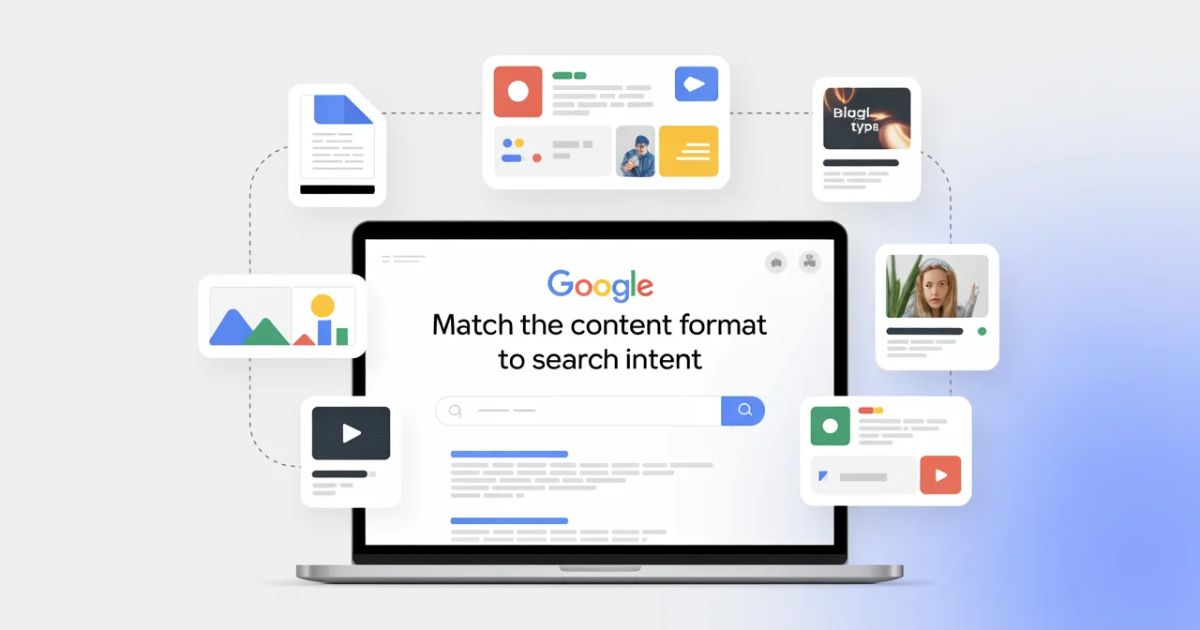
Search intent decides the page format before writing begins. If the top results are comparison pages, create a comparison page. If the top results are tutorials, create a tutorial. If the top results are service pages, do not publish a general blog post and expect it to rank.
Before creating content, check the top-ranking pages for your target keyword. Look at the format, structure, depth, and user expectation. A keyword like “best SEO tools” usually needs a comparison-style page, while “how to do keyword research” needs an educational guide.
Best format signals to check:
- Are top pages blog posts, product pages, service pages, or category pages?
- Do they use lists, tables, examples, screenshots, or pricing sections?
- Are users looking to learn, compare, buy, or solve a problem?
2. Build pages around topics, not only keywords
A strong SEO page covers the full topic behind the keyword, not just the exact phrase. Google can understand related concepts, entities, and subtopics, so a page should answer the main query and the follow-up questions users are likely to have.
For example, a page about “SEO tips” should naturally cover search intent, keyword research, content quality, internal links, backlinks, page speed, structured data, and measurement. These related entities help search engines understand that the page is complete.
Use the main keyword in important places, but do not repeat it unnaturally. Semantic coverage is stronger than keyword stuffing.
3. Use keyword gap analysis to find realistic opportunities
Keyword gap analysis helps you find topics competitors rank for but your site does not cover well yet. This is one of the fastest ways to identify pages that can bring relevant traffic.
Use tools like Google Search Console, Ahrefs, Semrush, or any reliable keyword tool. Compare your site against 3–5 direct competitors. Look for keywords where competitors rank on page one, but your site has no page or a weak page.
Prioritize keywords with:
- Clear business value
- Search intent matching your offer
- Realistic competition
- Enough topical relevance to your site
- Opportunity to create a better answer than competitors
4. Target long-tail keywords with clear user problems
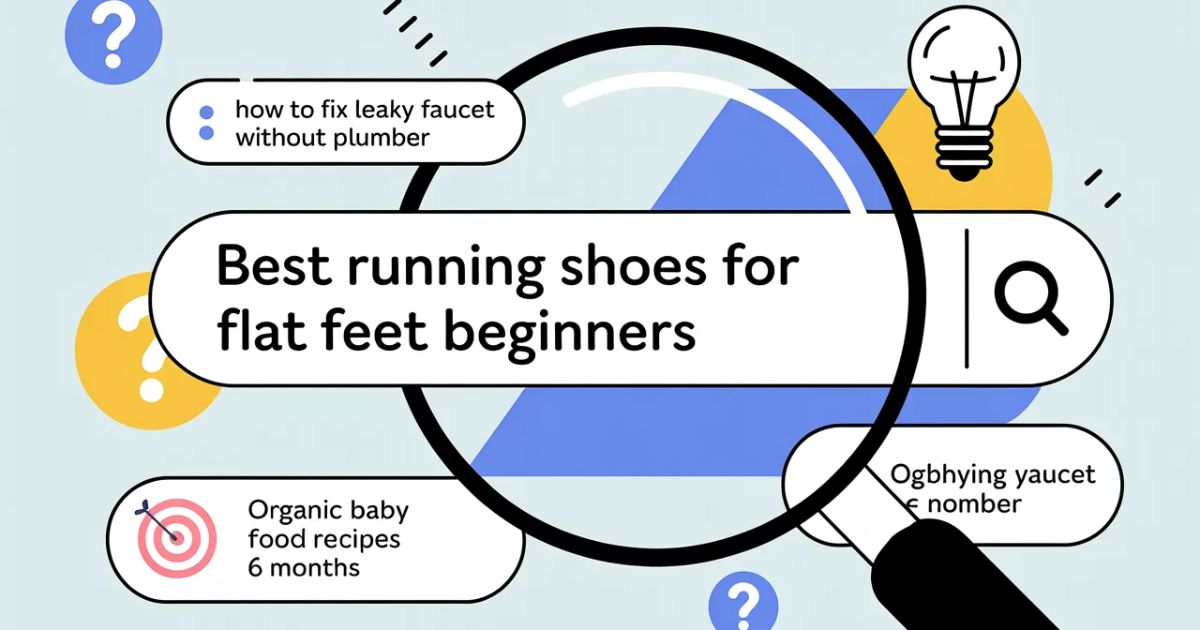
Long-tail keywords often bring better-qualified visitors because they reveal a more specific need. A broad keyword like “SEO” is difficult and vague, but a long-tail keyword like “how to improve SEO traffic after a core update” shows a clearer problem.
Long-tail keywords work well for blog posts, FAQ sections, comparison content, and service-supporting pages. They also help new or smaller sites build topical relevance before targeting broader competitive terms.
Good places to find long-tail keywords:
- Google Search Console queries
- People Also Ask questions
- Competitor FAQ sections
- Customer support questions
- Sales calls and consultation notes
- On-site search data
5. Find what competitor pages leave unanswered
The easiest way to create a better SEO page is to answer useful questions competitors ignore. Do not only copy their headings. Look for missing explanations, weak examples, outdated advice, unclear steps, and unsupported claims.
Open the top 3–5 ranking pages and ask:
- What question is not answered clearly?
- What example would make this easier?
- What section feels generic?
- What claim needs evidence?
- What mistake should readers avoid?
- What should beginners do first?
This creates information gain. A page with fresh examples, practical steps, and clearer answers has more value than a rewritten version of existing search results.
6. Write title tags that match the promise of the page
A good title tag tells users exactly what they will get from the page. It should include the primary keyword naturally, show the benefit, and stay clear rather than clever.
A strong title for this article is:
23 SEO Tips to Boost Rankings and Traffic in 2026
It works because it includes the topic, number, outcome, and year. A weak title would be:
Best SEO Guide Ever
That title is vague, exaggerated, and less trustworthy.
Title tag checklist:
- Include the primary keyword naturally
- Keep the promise specific
- Avoid clickbait
- Add a year only when freshness matters
- Make sure the page actually delivers what the title promises
7. Structure headings for easy extraction and scanning
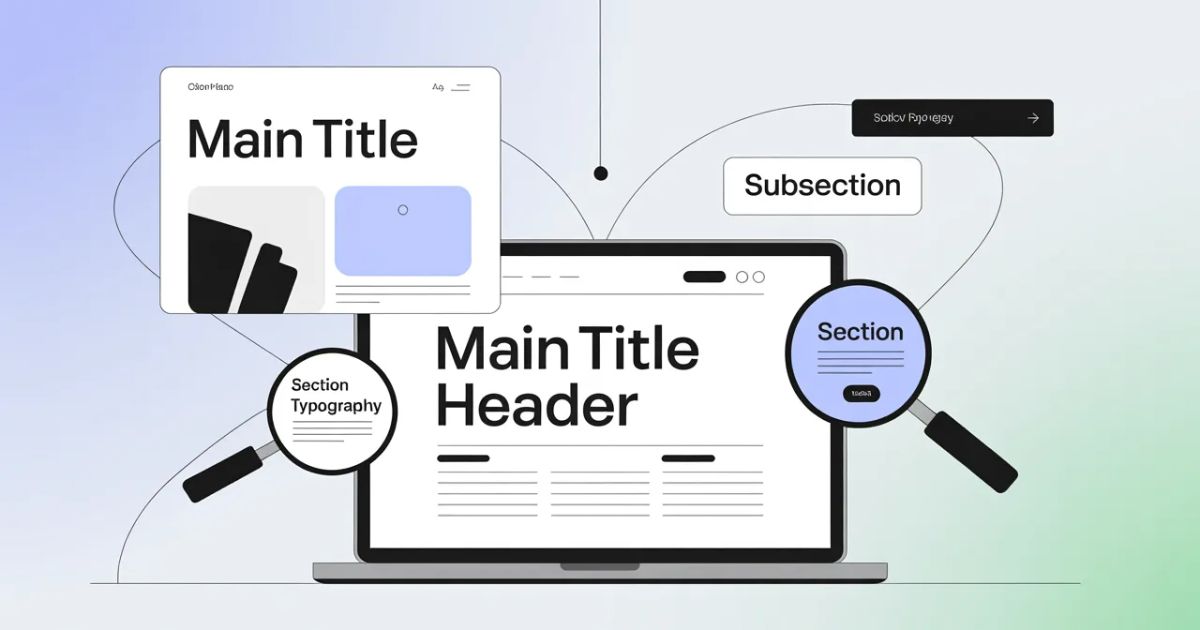
Headings should help users and search engines understand the page without reading every paragraph. Each H2 should introduce a clear idea, and the first sentence under it should answer the heading directly.
Use one H1 for the page title. Use H2s for major sections and H3s for supporting questions. Avoid vague headings like “Introduction,” “More Details,” or “Important Things.” They do not explain the topic.
Better heading examples:
- How do internal links improve SEO?
- What is the best way to update old content?
- How should SEO success be measured?
This structure also makes the article easier to scan on mobile.
8. Add direct answers under important headings
A direct answer helps readers understand the section immediately. Start important sections with one clear sentence before adding explanation, examples, or steps.
Example:
Keyword cannibalization happens when two or more pages on the same site compete for the same search intent.
That sentence is clear, self-contained, and easy to reuse in snippets, summaries, or AI-generated answers. After the direct answer, explain the problem, show how to find it, and give the fix.
Avoid starting sections with filler like:
“In today’s digital world, SEO is very important for every business.”
That sentence adds no value.
9. Write with real experience and editorial judgment
Content feels more trustworthy when it includes specific examples, practical judgment, and clear reasoning. Generic advice sounds replaceable. Experience-based advice feels useful.
Instead of writing:
“Internal links are important for SEO.”
Write:
“When updating an old blog post, add internal links from 3–5 related pages that already receive organic traffic. This helps users discover the updated page and gives search engines clearer context.”
Google recommends showing who created the content, how it was created, and why it exists. This improves transparency and trust for users.
10. Build semantic topic clusters
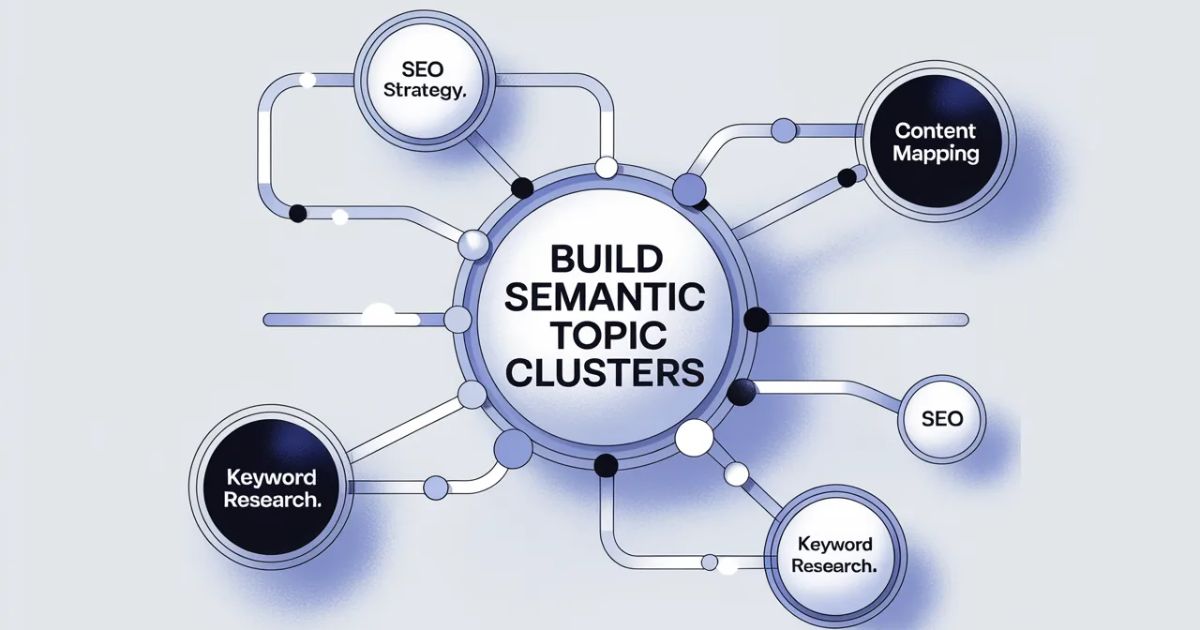
A topic cluster connects one main pillar page with supporting pages that cover related subtopics. This helps users explore the topic and helps search engines understand the relationship between your pages.
Example cluster for “SEO”:
- SEO guide
- Keyword research guide
- On-page SEO checklist
- Technical SEO audit
- Internal linking strategy
- Link building guide
- SEO reporting template
Each supporting page should link back to the pillar page. The pillar page should link to each supporting page with descriptive anchor text.
Good anchor text:
technical SEO audit checklist
Weak anchor text:
click here
11. Add E-E-A-T signals users can verify
E-E-A-T signals make a page more trustworthy by showing who created it, why they are qualified, and how the information was produced. It is not enough to say “we are experts.” The page should prove expertise through details.
Add these trust elements:
- Named author
- Author bio
- Reviewer if the topic needs expert review
- Updated date
- Sources for factual claims
- Real examples
- Screenshots or process notes where useful
- Clear business or website identity
Google says E-E-A-T itself is not a single ranking factor, but its systems use a mix of signals that align with helpful and trustworthy content.
12. Keep URLs short, readable, and permanent
SEO-friendly URLs are short, descriptive, and easy to understand. They should show the topic without unnecessary numbers, dates, or parameters.
Good URL:
/seo-tips-2026/
Weak URL:
/blog/post?id=8847&utm_source=random
Avoid changing URLs after publishing unless there is a strong reason. If a URL must change, use a proper 301 redirect from the old URL to the new URL.
URL checklist:
- Use lowercase letters
- Use hyphens between words
- Include the main topic
- Avoid unnecessary dates unless needed
- Keep the URL stable over time
- 13. Improve content depth without adding fluff
Content depth means covering useful angles, not increasing word count. A short page that answers the question fully is better than a long page that repeats the same idea.
To improve depth, add:
- Definitions
- Examples
- Use cases
- Mistakes
- Step-by-step actions
- Comparison tables
- Tool suggestions
- Expert notes
- FAQs from real users
Do not add paragraphs only to hit a word count. Google’s helpful content guidance warns against writing to a specific word count because someone believes Google prefers it.
14. Optimize Core Web Vitals for better page experience
Core Web Vitals measure loading speed, interactivity, and visual stability. The three main metrics are LCP, INP, and CLS.
| Metric | What it measures | Good target |
|---|---|---|
| LCP | Loading performance | 2.5 seconds or faster |
| INP | Interaction responsiveness | Less than 200 ms |
| CLS | Visual stability | Less than 0.1 |
Google recommends good Core Web Vitals because they support better user experience and align with what its systems aim to reward.
Practical fixes:
- Compress large images
- Use WebP or AVIF where possible
- Set image width and height
- Reduce unused JavaScript
- Use caching
- Improve server response time
- Avoid layout shifts from ads or late-loading elements
15. Improve mobile SEO before desktop SEO

Mobile performance matters because most users search and browse on mobile devices. A page that looks good on desktop but loads slowly or feels broken on mobile can lose users quickly.
Check mobile usability carefully:
- Is text readable without zooming?
- Are buttons easy to tap?
- Does the page load fast on mobile data?
- Do images fit the screen?
- Are tables responsive?
- Are popups blocking the content?
For content-heavy pages, use short paragraphs, clear headings, jump links, and lightweight visuals.
16. Make site architecture easy to understand
Clear site architecture helps users and search engines understand which pages are important and how topics connect. Your most valuable pages should not be buried deep inside the site.
A simple SEO structure:
example.com/seo/example.com/seo/keyword-research/example.com/seo/technical-seo/
example.com/seo/internal-linking/17. Fix orphan pages
Orphan pages are pages with no internal links pointing to them. They are harder for users and search engines to discover.
Find orphan pages using:
- Screaming Frog
- Sitebulb
- Google Search Console
- XML sitemap comparison
- CMS export
Fix valuable orphan pages by linking to them from related pages. If the page is thin, outdated, or duplicated, merge it with a stronger page and redirect it properly.
18. Use internal links to support important pages
Internal links help users move through your site and help search engines understand page relationships. They are one of the most controllable SEO improvements.
Use internal links from relevant pages that already have traffic or backlinks. Add them naturally inside the body content, not only in footer or sidebar blocks.
Good internal link rule:
- Link from relevant pages
- Use descriptive anchor text
- Avoid exact-match repetition everywhere
- Link to pages that need authority
- Keep important pages within a few clicks of the homepage
19. Use structured data accurately
Structured data helps search engines understand the type and details of a page, but it is not a shortcut to rankings. Use schema only when it matches visible page content.
For this article, useful schema types may include:
- Article
- BreadcrumbList
- Organization
- Person
- FAQPage only if the FAQ content is visible and accurate
Important note: FAQ rich results are no longer appearing in Google Search as of May 7, 2026, according to Google’s FAQ structured data documentation. So FAQ schema should not be presented as a guaranteed visibility or CTR tactic.
20. Update content with real improvements
Content updates should improve accuracy, usefulness, or completeness. Changing the date without meaningful changes is not a strong update.
Update old content when:
- Rankings decline
- Search intent changes
- Competitors add better sections
- Data becomes outdated
- Screenshots or tools change
- Internal links need improvement
- New questions appear in Search Console
Add a short update note near the top:
Updated May 2026: Added new sections on AI features, FAQ rich result changes, and content measurement.
This tells users what actually changed.
21. Earn backlinks with content worth citing
The best backlinks come from content that gives other publishers a reason to reference it. Generic content rarely earns natural links because it adds nothing new.
Create link-worthy assets such as:
- Original research
- Free tools
- Templates
- Statistics pages
- Case studies
- Expert roundups
- Visual guides
- Industry benchmarks
A strong backlink strategy starts with content quality. Outreach becomes easier when the page gives people something useful to cite.
22. Fix keyword cannibalization
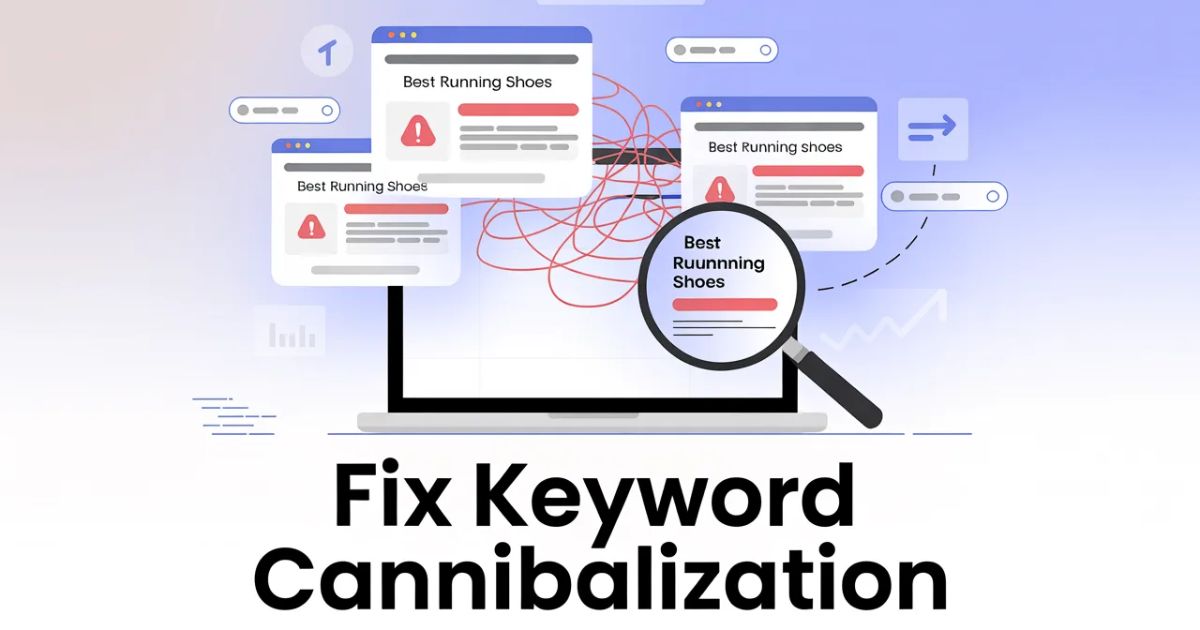
Keyword cannibalization happens when multiple pages target the same search intent and compete against each other. This can confuse search engines and weaken performance.
Find cannibalization by searching:
site:example.com "target keyword"Fix options:
- Merge similar pages
- Redirect weak pages to stronger pages
- Rewrite one page for a different intent
- Use canonical tags where appropriate
- Improve internal links to the preferred page
23. Measure SEO success with the right metrics
SEO success should be measured by rankings, traffic quality, conversions, and topic growth — not only impressions. A page can gain impressions but still fail if it does not earn clicks or leads.
Track these metrics:
| Metric | Why it matters |
|---|---|
| Organic clicks | Shows real search traffic |
| CTR | Shows whether titles and descriptions attract clicks |
| Average position | Shows ranking movement |
| Conversions | Shows business value |
| Indexed pages | Shows crawl and index health |
| Internal links | Shows content support |
| Backlinks | Shows authority growth |
Use Google Search Console for query and page performance. Use analytics tools to measure engagement, leads, sales, and assisted conversions.
What are the Common SEO Mistakes to Avoid?
The common SEO mistakes to avoid can cost you traffic and rankings.
5 steps to common seo mistakes are outlined below:
1. Ignoring Mobile Optimization
2. Overstuffing Keywords
3. Neglecting Meta Tags
4. Slow Website Speed
5 Lack of Quality Content
How can you target the right search intent?
You can target the right search intent, understand what your audience needs. Use relevant keyword modifiers to match their search queries. Structure your content to provide quick answers. Avoid stuffing keywords. Ensure your content is clear and helpful. Focus on ranking well in search engine results pages (SERPs).
Which elements should be optimized for on-page SEO?
These elements should be optimized for on-page SEO: Title tags, meta descriptions, and keyword-rich H1/H2 headers. You should create high-quality content that provides value to readers. Include relevant keywords naturally throughout. Also, add image alt text and internal links to improve the user experience. This helps search engines and visitors find you.
How can you avoid keyword stuffing?
You can avoid keyword stuffing by writing natural content. Focus on creating high-quality content that flows well. Keep the keyword density balanced and don’t overuse keywords. Use related terms and long-tail keywords to make your content more varied. This way, your writing will be both SEO-friendly and enjoyable to read.
How does page speed affect rankings?
Page speed affects rankings because it is a Google ranking factor. Slow loading performance harms Core Web Vitals and user experience. Higher bounce rates happen when your site loads slowly. Faster loading speeds improve engagement, and this helps boost your Google ranking. Users enjoy a better experience on faster sites.
How can you acquire high-quality backlinks?
You can acquire high-quality backlinks by creating valuable, link-worthy content. This content can include original research, in-depth guides, and shareable infographics. You should engage in strategic outreach to build strong relationships. Additionally, guest blogging can help enhance your link profile.
How does HTTPS impact SEO?
HTTPS impacts SEO by acting as a ranking signal for Google’s algorithm. Google rewards secure sites with a ranking boost. HTTPS ensures accurate referral data tracking, which helps with analysis. It also meets a technical SEO standard, improving both security and search engine performance.
How can you follow SEO tips correctly?
You can follow SEO tips correctly by focusing on high-quality content that is user-focused. Avoid keyword stuffing and keep your website’s technical site health in check. Mobile optimization helps ensure your site works well on phones. Use descriptive meta tags to help search engines understand your content clearly.